


.png)
“I wanted Ukrainian cuisine to become known in the heart of Rome”: Restaurateur Mykola Oleksiv on ANASTASIA restaurants, borscht, and the Italian dream
- hace 4 horas
- 3 min de lectura
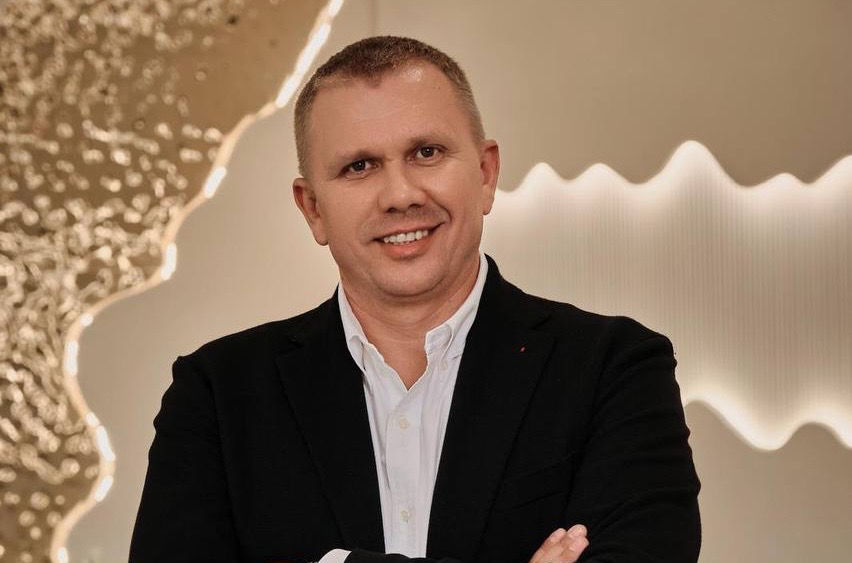
Ukrainian restaurateur Mykola Oleksiv continues to develop the Ukrainian restaurant brand “ANASTASIA” in Rome, near the Colosseum, promoting Ukrainian cuisine abroad. In this exclusive interview, he explains why Italians are falling in love with borscht and deruny, how the dream of opening a Ukrainian restaurant in Rome was born, and why Ukrainian restaurants abroad today represent much more than just business.
— Mykola, why Rome specifically? Why did you decide to promote Ukrainian cuisine here?
Honestly, it was a dream I had for many years. I still remember the first time I arrived in Rome — the atmosphere of the city impressed me so deeply that I thought one day there had to be a Ukrainian restaurant here. At that time it seemed almost impossible, but the idea stayed with me for years.
For me, Rome is not just a tourist city. It is the center of world culture, history, and gastronomy. I wanted Ukrainian cuisine to have its place here as well. I wanted tourists, after eating pasta or pizza, to be able to try borscht or varenyky and understand how rich and authentic our cuisine is.

I wanted Ukrainian cuisine to be represented not in some hidden place “only for Ukrainians,” but right in the center of Rome, where people from all over the world could discover it.
— Was it difficult to promote Ukrainian cuisine in Italy, a country with such a strong gastronomic culture?
Of course, it’s a challenge. Italy is an extremely food-oriented country, and people here truly understand products, flavors, and presentation. But that is exactly what makes it even more interesting.
I realized one very important thing: when you do things with quality and sincerity, people feel it immediately. We do not try to change Ukrainian cuisine to adapt it to Italians. We keep it authentic, but with a modern and elegant presentation.
The reactions of foreigners still surprise me today. Borscht always creates the strongest emotions because nobody expects a soup to have such a rich flavor while also feeling so familiar and comforting.
— Which Ukrainian dishes have become guests’ favorites?
Honestly, the most beloved dishes are always the same: borscht, deruny, and Chicken Kyiv. This combination always works.
Deruny have been a real discovery for many Italians. They love potatoes, but they had never tasted anything like this before. Chicken Kyiv is also highly appreciated: for Europeans it feels somewhat familiar because of the crispy crust and juicy texture, but at the same time it remains a unique dish.
Varenyky and stuffed cabbage rolls are also in great demand. Tourists often come in groups and order several dishes together to get to know Ukrainian cuisine better.
One of my favorite moments is watching people try deruny for the first time and sincerely ask how they had never tasted them before.
— Is there a difference between Ukrainian guests and foreign guests?
Yes, and it is very interesting to observe. For Ukrainians, these dishes represent emotions, home, childhood memories, and family traditions. Especially today, during the war, food has an even deeper meaning.
Many Ukrainians tell us that borscht or varenyky make them feel close to home again.
For foreigners, however, it is a completely new experience. They are very curious, ask many questions, and want to learn about the history of the dishes, the ingredients, and the traditions connected to Ukrainian cuisine.
Italians are very emotional people. If they truly enjoy a dish, they show it immediately, and that energy motivates us enormously.
— How important is it today to open Ukrainian restaurants abroad?
Today it is no longer just about business. It is about Ukraine.
Through food, people discover our culture. Very often foreigners begin to take an interest in Ukraine precisely after tasting our cuisine or meeting Ukrainians abroad.
I believe every Ukrainian restaurant outside the country has become a small cultural representation of Ukraine.
And when someone says after dinner that they want to visit Ukraine after the war, it means a lot to me.
— What is the most emotional part of this work for you?
Probably people’s reactions. Seeing sincere emotions in guests is an enormous motivation.
Sometimes tourists photograph the dishes, record videos, ask for recipes, or return a second time with friends. Some Ukrainians living abroad even become emotional when tasting familiar flavors after being away from home for so long.
And it is exactly in those moments that you realize food is much more than just food.
I would like Ukrainian cuisine around the world to be associated not only with tradition, but also with quality, style, and modernity.

Comentarios